


Back to School: When Your Kid Is Having Big Behaviors
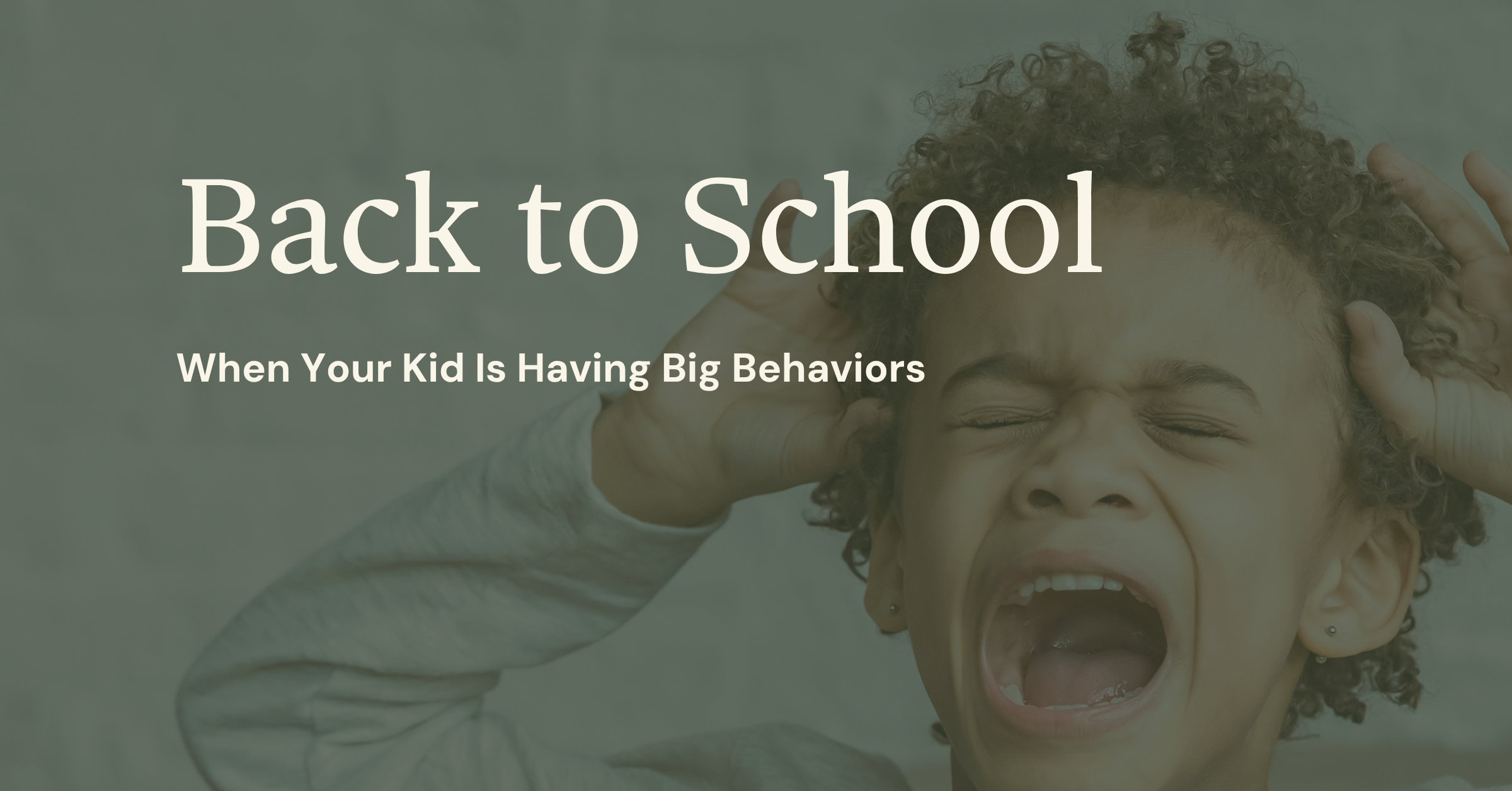

As the school year gets going, many parents and caregivers feel relief at having routine again. Your child may be excited too, or they may be apprehensive about the beginning of the school year. Whatever they’re feeling going in, it is quite common and expected for children to push back and have meltdowns during this time of reentering school.
These changes in behavior don’t mean there is anything wrong with your child, and it’s not a reflection on your parenting. We want you to know that this is common for so many children and parents, and you are not alone in this experience. As child play therapists at Radish Counseling in Arlington, TX, we are here to help explain what is going on underneath those meltdowns and pushback, and how you can support your child through the transition.
Behavior Is Communication, Especially During Transitions
When a child is having a big behavior change that isn’t their usual, it often means they are having a nervous system response to change. Although it may feel like it in the moment, it doesn’t necessarily mean that they are being defiant.
In Dr. Garry Landreth’s book Play Therapy: The Art of Relationship, he says that children’s natural way of communication is through play and activity.
Words come later.
Kids don’t yet have the words for “I’m overwhelmed”, but they will express how they feel through their behaviors. The goal here is to not eliminate the behavior, but rather look underneath it and see what is causing it.
What's Actually Going On Underneath
The reasons behind these behavior changes during the back-to-school transition often lead back to changes in their lives:
- New routines and schedules disrupt the sense of predictability. Earlier mornings, new drop-off routines, and a different rhythm to every day can leave a child’s body unsure of what to expect.
- Increased social demands with new peers, teachers, and expectations. Even a child who loves school is working hard all day to read new faces and follow new rules.
- Sensory overload after a summer of more freedom and less structure. Classrooms, cafeterias, and buses are loud and busy which is a big shift from slower summer days.
- Grief over the loss of unstructured, low-demand summer days. Those days were often full of choice and connection, and it makes sense that kids miss them.
This is often why a child who seems fine at school falls apart around 4pm. They’ve held it together all day, and home is where it finally feels safe to let go.
How This Can Show Up
These behaviors can show up in myriad ways, including:
- Meltdowns that seem disproportionate to the trigger
- Regression in skills that were previously mastered (sleep, potty, independence)
- Increased clinginess or separation anxiety
- Aggression toward siblings or peers
- Shutting down, going quiet, or seeming "checked out"
None of these are setbacks. They’re signals. A child who regresses or lashes out isn’t going backward; they’re showing you they need more support right now.
How to Support Your Kid in the Moment
It can often feel most logical to jump into solving the problem, and teaching the lesson first, but we encourage you instead to:
- Co-regulate before you correct. Give a calm presence first, and a lesson later.
- Name the feeling out loud ("This transition is really hard right now").
- Keep routines predictable, especially mornings and bedtime.
- Lower expectations temporarily during the adjustment window.
If your child is melting down at the front door on a school morning…
Instead of warning them they’ll be late, you crouch down, take a slow breath, and say, “This is really hard right now. I’m right here.” You’re not giving in—you’re helping their body settle so the lesson can actually land later, when they’re able to take it in.
Building Longer-Term Support at Home
To go even further than in-the-moment support when your child is having these big behaviors, there are a few things you can do to help support your child through the changes.
- Protect dedicated connection time daily, even 10–15 minutes
- Build in decompression time after school before jumping into homework/activities
- Keep home rhythms consistent even as school routines shift
When to Bring in Extra Support
Sometimes you need extra support with your child during these changes, and there are some things to look out for to help you decide if you want to reach out for that. Some things to keep an eye out for to help guide you in that decision are:
- If behaviors persist well beyond the first few weeks of adjustment
- If the intensity escalates rather than easing as routines settle
- If big behaviors are affecting school, friendships, or family functioning
What Play Therapy Looks Like
At Radish, we offer child-centered play therapy for children ages 3 to 10 in our dedicated playrooms in Arlington. In play therapy, the child leads. Instead of asking a child to explain why they’re struggling, we give them toys, art, and a caring adult who is paying attention, and play becomes the language they use to work through big feelings. Your child is welcomed as they are, and regulation grows out of that felt safety.
As play therapists, we help kids build a space where they can grow their capacity to regulate at their own pace. Your child doesn’t have to be able to articulate the “why” behind their behaviors. They can express those feelings in play therapy sessions, and over time they grow their capacity to regulate at their own pace.
If you are having trouble with your child during their school transition, we would love to talk with you and support you both. This is a common, workable challenge, and play therapy is a supportive way to move through it.
This is where you can find out more about Radish Counseling’s Child & Play Therapy services, as well as where you can book a session with us.
If you want to dig a little deeper, in our post How Do I Know If My Child Needs Play Therapy, we outline other common reasons for play therapy, what sessions look like depending on age groups, and the difference between a play therapist and child psychologist.


